Interior Commercial Lighting: What to Check When Comparing Hotel and Residential Lamps
Two lamps can look identical in a showroom and perform very differently after a year in a guest room. One…


Purchasing agents and designers open most guestroom packages with one question: can one lamp carry USB-C charging and a grounded outlet? In many cases, yes, provided the fixture can accommodate the components and the port mix, rated output, and listing are written into the specification and verified on the sample.
This guide covers hotel lamps with USB from the manufacturer’s side of the order. It walks through port options, output ratings, certifications, placement, and ordering at scale, drawn from the lighting manufacturing heritage of Mario Industries, which has made lighting since 1922, and Mario Contract Lighting, which entered the contract-lighting sector in 2013.
Hotel lamps with USB ports and a grounded convenience outlet (GCO) are established contract products. Mario can incorporate USB-A, USB-C, and grounded convenience outlets into many table lamps, floor lamps, and wall-mounted bedside fixtures. The available configuration depends on the size and construction of the fixture, available internal space, electrical components, charging requirements, manufacturing feasibility, and listing requirements, so not every lamp can take every combination.
The CT6839 table lamp with outlet is a domestic model currently listed at 25.5″ high in Tech White, with (2) 10W LED medium-base sockets and an 8′ silver cord. Its base carries a GCO and a 5V/2.0A USB charging port. The CT6345 black glaze lamp is a domestic model currently listed at 28.5″ high in Black Glaze with an Ebony Faux Dupioni shade, (1) 16W LED medium-base socket, an 8′ black cord, a GCO, and USB. The CT5894 powder coat lamp, in Black Powder Coat with Faux Oak, lists the same pair.
Those specs matter because of where the guest is when a device runs low. Guests arrive with USB-C phones and, increasingly, USB-C laptops, while the wall receptacle often sits behind the headboard or desk. The European Commission’s EU common charger rules made USB-C the common port for phones and tablets on December 28, 2024, and for laptops on April 28, 2026.
Those rules govern devices sold in the EU and do not apply to lamps or carry legal force in the US. They still shape the cables guests pack. A lamp with the right ports puts charging within reach of the bed or desk chair.
A lamp has a USB port because the lamp is often the most reachable power point in a guestroom. Wall receptacles often sit behind headboards or desk casegoods. Reaching them means moving furniture or working blind behind it.
When power is out of reach, guests bring their own extension cords and power strips, or they unplug the lamp to charge a phone. The U.S. Consumer Product Safety Commission’s CPSC extension cords and power strips safety alert says overloaded extension cords and power strips can present a serious fire hazard. CPSC estimates about 2,000 residential fires each year are associated with electric cords or plugs, killing 60 people. That estimate describes homes, not hotels.
Building the outlet into the lamp removes much of that improvisation. Housekeeping deals with fewer loose cords across the floor. The lamp also stays plugged in, because the guest has no reason to borrow its receptacle.
A lamp can hold two kinds of USB port and a grounded convenience outlet, alone or in combination, where the fixture’s construction allows. Each element suits a different device, so the right mix depends on what guests charge in each room zone.
The decisions that follow are the port type and whether to add an outlet. Both affect fixture design and certification scope, so they belong in the first round of specification.
USB-A is the rectangular port most contract lamps have carried for years. The CT6344 USB table lamp is 31.5″ high in Faux Gold Leaf, with a 16W LED and an on/off rocker switch. Its 5V/2.0A USB charging port delivers 10W, which suits phones and small accessories and is slow for tablets.
USB-C supports a wider power range than USB-A, but the USB Power Delivery maximum is not a lamp rating. Integrated charging components in lamps normally operate far below that ceiling. On a Mario lamp, USB-C charging output is established for the selected component and project, then stated on the approved spec sheet.
| Port Type | Typical Rating | Device Fit | Notes |
|---|---|---|---|
| USB-A | 5V/2.0A (10W) on listed Mario models | Phones and small accessories | Slow for tablets; guest needs a USB-A cable |
| USB-C | Established for the selected component and project | Current phones and tablets | Confirm voltage, amperage, or wattage on the spec sheet |
| USB-A plus USB-C | Rated per port, set per project | Guests carrying older and newer cables | Confirm each port’s rating separately |
| Grounded convenience outlet | Standard receptacle; load is project-dependent | Laptop power bricks, non-USB devices | Listed on CT6839, CT6345, and CT5894 |
When a spec sheet lists only “USB,” ask for the port type and the voltage, amperage, or wattage of each port before approving the sample. A rating written as 5V/2.0A gives purchasing agents a figure to compare across bids.
A grounded convenience outlet lets guests plug in laptop power bricks and other devices that do not charge over USB. The CT6839, CT6345, and CT5894 each list GCO plus USB in the base. One lamp then handles a phone cable and a laptop charger at the same time.
Outlet position on the base matters in daily use. A receptacle on the side facing the guest is easier to reach than one facing the wall. The plug body also needs clearance from the headboard or casegoods behind the lamp.
The CT6839 and CT6345 both ship with an 8′ cord, which gives room to route to a receptacle behind the furniture. Load on the outlet, and how it relates to the lamp’s cord and switch, is project-dependent and established during quoting. Finish and base options for these models are in our contract table lamp collection.
Specifying hotel lamps with USB across a portfolio follows the same sequence we use on most guestroom packages. Each step locks in a decision that the next step depends on.
Brand standards shape the first and fourth steps on most programs. We support approved hotel brand programs for Hyatt House, Hyatt Place, and Garner by IHG. We are also an approved vendor for Hilton, Marriott, IHG, Hyatt, Wyndham, and MGM Resorts.
Capacity matters once a program moves past the first property. We have completed more than 15,000 projects, producing in our 100,000-square-foot Roanoke, Virginia facility and through long-term global manufacturing partners. Across the range, minimum quantities, lead times, and domestic or imported production options differ by product. Distribution support on both coasts reduces freight complexity when lamps ship to several properties on staggered schedules.
Two technical decisions determine whether a charging lamp holds up in service: whether the configured product is listed, and where it sits in the room. Both should be settled before sample approval. Changing either after production starts affects schedule and cost.
Certification protects the owner and the guest. Placement decides whether guests use the ports at all.
UL Standards & Engagement’s UL 153 portable luminaire standard states that its requirements also cover portable luminaires intended to receive power through a USB connection. That scope makes USB-equipped lamps a recognized product category. A given lamp still needs its own listing.
Listing comes from third-party testing laboratories. Through OSHA’s NRTL program, the U.S. Occupational Safety and Health Administration recognizes private sector organizations to perform certification for certain products. OSHA recognizes the labs and does not certify products itself.
Listing is SKU-specific. Any change to the USB module, outlet, or electrical configuration may require the completed fixture and its components to be reviewed for listing compliance. A mark on the base model alone leaves the added components unverified.
The nightstand and the desk often put different demands on a charging lamp. Bedside fixtures generally prioritize reachable switching and phone charging. Desk lamps may prioritize task lighting, USB-C, and a convenience outlet for a laptop charger. Treat these as design considerations rather than fixed rules, and adjust to each room layout and brand standard.
| Factor | Nightstand Lamp | Desk Lamp |
|---|---|---|
| Typical devices | Phones and earbuds overnight | Laptops and tablets during work |
| Ports to consider | Phone charging via USB-A, USB-C, or both | USB-C plus a GCO for laptop chargers |
| Switch location | Reachable from the bed | Reachable from the desk chair |
| Light output | Reading light at the pillow | Task light on the work surface |
| Quantity in twin-bed rooms | Often one lamp per side | One lamp per desk |
In twin-bed rooms, one charging lamp per side keeps either guest from running a cable across the bed. Where nightstands are too narrow for a lamp, a wall-mounted bedside fixture is the alternative, with charging built into the fixture where feasible or moved to the casegoods. We compare the tradeoffs in nightstand lamps versus headboard sconces.
Use this checklist when comparing bids or approving a sample. Each item should be answered in writing on the spec sheet before the purchase order is released.
Most items on that list can be adjusted. Port mix, finish, shade, and size are customizable across many Mario lamps, subject to the fixture’s construction and listing requirements, and a fully original fixture is an option when no catalog model fits.
For broader guestroom criteria, see our guide to choosing guest room lamps. To price a specific configuration, send your port and finish requirements through a custom lighting request.
These are the questions purchasing agents and designers raise most often when specifying hotel lamps with USB. Answers reflect our listed catalog models, and custom configurations are confirmed during quoting.
Many do. Mario’s CT6839, CT6345, and CT5894 list a grounded convenience outlet plus USB in the base. USB-C can be incorporated into many table lamps, floor lamps, and wall-mounted bedside fixtures, depending on the fixture’s construction, internal space, and listing requirements.
Look for a listing from an OSHA-recognized NRTL, such as UL, to UL 153 for portable luminaires. The listing should cover the configured lamp, including its USB module and outlet.
Often, yes. Many lamps can carry USB-A, USB-C, or both, with or without a grounded outlet. Feasibility depends on the fixture’s size, construction, components, and listing requirements, and any change may require listing review.
Charging speed depends on each port’s rated output. The USB port on the CT6839 and CT6344 is rated 5V/2.0A (10W), and USB-C output is established for the selected component and project.
Yes. The CT6839 and CT6345 are each listed at a 12-piece MOQ and a 6–8 week lead time on domestic production. Other models and custom configurations carry their own minimums, lead times, and domestic or imported production options, confirmed during quoting.
Hotel lamps with USB and a grounded outlet are an established contract product, and USB-C is a configuration you specify per project where the fixture allows. The work is in the details: port type and rated output per port, outlet configuration, cord length, switch location, and a listing that covers the configured SKU.
Mario Industries has manufactured lighting since 1922 and is now in its fourth generation of family leadership, and Mario Contract Lighting has served the contract-lighting sector since 2013. We build charging lamps from catalog models or as original designs, matched to brand standards and scheduled against real installation timelines.
Explore our Custom Capabilities or schedule a consultation today.
Recent News & Updates
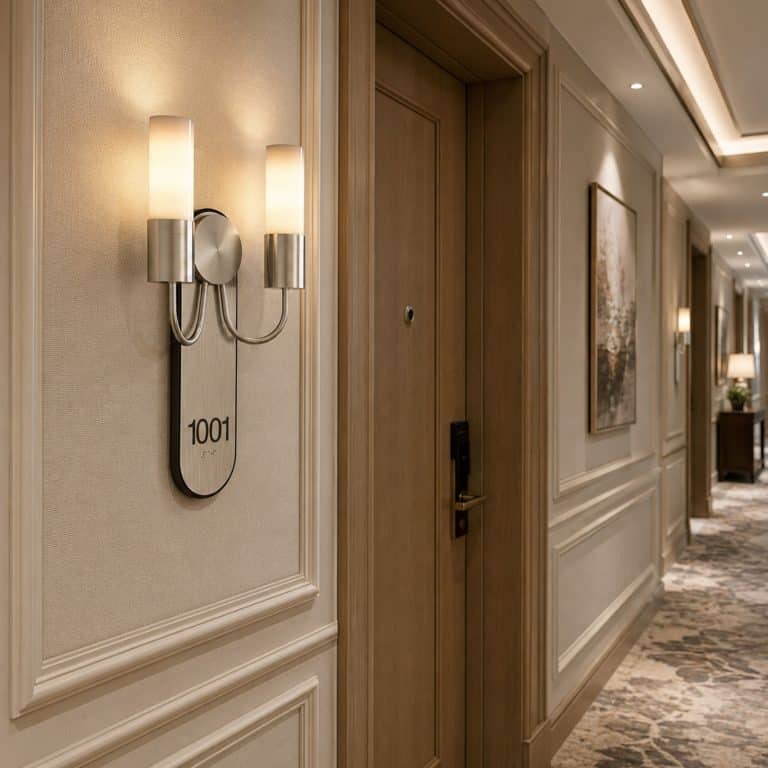
Two lamps can look identical in a showroom and perform very differently after a year in a guest room. One…
A qualified manufacturer can build a light fixture from your sketch or rendering. Custom light fixture fabrication is how a…
Choosing a hospitality lighting manufacturer is one of the first sourcing decisions on a hotel project. The choice shapes your…
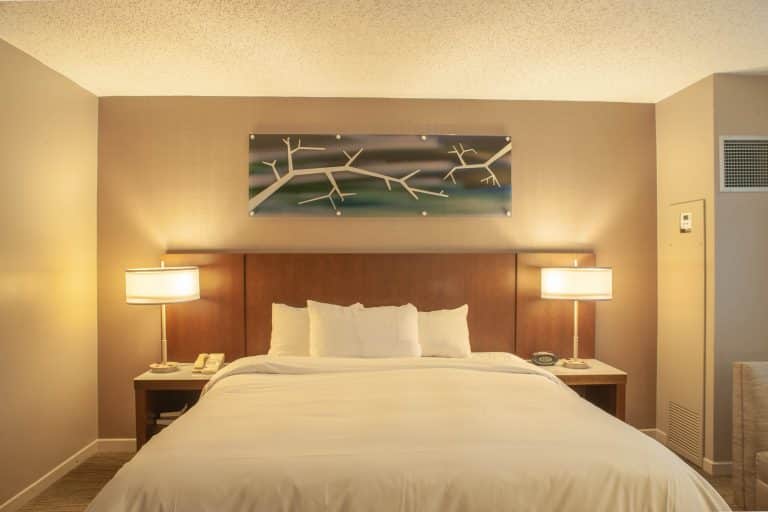
Hotel lighting control is the combination of switches, dimmers, sensors, and drivers that decides when a fixture turns on, how…