Interior Commercial Lighting: What to Check When Comparing Hotel and Residential Lamps
Two lamps can look identical in a showroom and perform very differently after a year in a guest room. One…


Choosing a custom hospitality lighting manufacturer comes down to a few concrete checks: hospitality-specific experience, in-house engineering and prototyping, a process that scales from a modified fixture to a fully custom one-off, and real projects you can review. This guide walks through what to evaluate, what the design-to-delivery process actually looks like, and where Mario Contract Lighting fits into that decision.
Great hospitality design tells a story, and lighting is a key character in that narrative. Off-the-shelf fixtures can illuminate a space, but custom lighting brings the vision to life — letting designers tailor scale, shape, finish, and function so each piece aligns with the brand and the guest experience.
At Mario Contract Lighting, we’ve built custom, contract-grade fixtures since 1922 as a family-owned American manufacturer, now in our fourth generation, from a 100,000-square-foot facility in Roanoke, Virginia.
Before comparing manufacturers, it helps to know what the process itself looks like. A typical custom lighting project moves through six stages:
Knowing this sequence up front makes it easier to judge whether a manufacturer’s quote and timeline actually line up with the work involved.
From lobby lounges and dining rooms to outdoor terraces, lighting shapes the mood and guides guest perception. Standard fixtures meet basic illumination needs. Custom lighting enhances the atmosphere, matching materials to the interior palette while creating focal points that carry emotional weight.
When our custom chandelier designs mirror a marble staircase, or bedside wall sconces carry a hotel’s logo, guests feel connected to the space’s story. Custom lighting also lets designers tune brightness, color temperature, and beam spread for specific experiences, making spaces more comfortable and memorable. ENERGY STAR reports that hotel lighting retrofits can cut lighting electricity use by 50 percent or more.
To develop bespoke fixtures that truly resonate, designers must first define the narrative and function. Are you creating a soothing spa environment or an energetic rooftop bar? Do you need fixtures that cast dramatic highlights or create soft ambient glow? Custom lighting companies translate these intentions into physical products by adjusting scale, shape, and light output to support the desired mood. This approach ensures that every fixture contributes to the guest journey, not just the specification sheet.
Many custom projects begin with an existing fixture that’s modified to fit a specific space. For example, adjusting the diameter of a pendant light to better match the proportions of a lobby, or updating finish options to complement furniture, are common modifications. Manufacturers can also alter lumen output, beam angle, or color temperature to align with design goals. These modifications offer a bespoke touch without the timeline or cost of a completely new design.
When a project calls for something entirely unique — a sculptural installation inspired by local culture, or a fixture designed for an irregular architectural niche — lighting companies can create custom products from the ground up. This process typically involves concept sketches, 2D and 3D renderings, material samples, and engineering drawings. Clients collaborate with designers and engineers to refine proportions, functionality, and aesthetics, ensuring the final product fits perfectly and performs as intended. Custom fixtures can incorporate advanced features, such as color-changing LEDs, dynamic controls, or specialized optics, to achieve unique lighting effects.
Reputable suppliers provide prototypes or mockups before mass production. This lets designers evaluate materials, light quality, and overall design to ensure it meets aesthetic and technical requirements. Prototyping reduces risk, giving teams the chance to make adjustments before committing to full-scale manufacturing — particularly valuable for complex installations or fixtures intended as visual centerpieces.
Custom lighting solutions often go beyond shape and finish. They can incorporate advanced technologies such as tunable white or RGB lighting, dimmable drivers, smart controls, and integrated sensors. These features let operators adjust lighting scenes for different times of day or special events, saving energy and enhancing the ambiance. Research published by the U.S. Department of Energy’s Building Energy Score program found that occupancy-based controls can save up to 62% of lighting energy in hotel guest rooms. Specialized wiring or mounting systems can also be designed to streamline installation and simplify future maintenance.
Custom lighting must meet the same performance and safety standards as off-the-shelf products. The table below outlines what to specify for each consideration.
| Consideration | What to specify |
|---|---|
| Lumen output and distribution | Light levels that align with functional needs, plus beam angles and diffuser materials that control how light falls on surfaces. |
| Color temperature and CRI | Warm tones for cozy areas and cool tones for task spaces, with high CRI values for accurate color rendering in food prep or artwork viewing. |
| Energy efficiency and controls | LED modules with high efficacy and long lifespans, plus dimming or smart controls that adjust light levels and optimize energy use. |
| Materials and durability | Finishes and materials that complement the interior while withstanding conditions such as outdoor exposure or high humidity, using high-quality metals, glass, and acrylics for longevity. |
| Compliance and certification | Fixtures that meet relevant electrical and fire safety codes, with integrated drivers or sensors that comply with industry standards. |
Lighting accounts for 17% of the electricity used in U.S. commercial buildings, and, according to ENERGY STAR, LED fixtures deliver the same brightness while using 90% less energy and lasting 15 times longer than traditional bulbs.
Lighting requirements change with the setting, and a partner that understands those differences can specify fixtures that hold up in each one. In hospitality, guest rooms call for glare control and serviceable fixtures, while lobbies need statement pieces that anchor the design. Corridors depend on even, low-maintenance illumination across long runs.
Senior living and healthcare spaces add requirements for higher light levels and infection-control surfaces that support resident safety. Institutional and education projects prioritize durability and vandal resistance under heavy daily use. Multifamily and restaurant projects balance design character against tight budgets and fast turnover.
We translate each industry’s durability and operational requirements into fixtures that perform across properties and scale. A specification developed for one property type carries over cleanly to the next. You can see the full range of markets we support on our industries we serve page.
Look for a manufacturer with a track record in hospitality, in-house engineering, and prototyping services. Confirm the company can handle both modifications and fully custom work, ask about lead times relative to your construction schedule, and check for approved brand program status and clear warranty terms.
The top commercial lighting companies for custom hospitality work are manufacturers that focus on contract-grade fixtures. Mario Contract Lighting is a family-owned American manufacturer that has built custom hospitality lighting since 1922. We handle both modifications of existing fixtures and fully original designs from our facility in Roanoke, Virginia.
Yes. Manufacturers can modify existing designs or replicate the finishes, shades, and dimensions of fixtures already in your property. This is common during brand refreshes and phased renovations, where new fixtures must match what’s already installed.
A contract lighting package covers the fixtures specified for a property, plus the drivers and mounting hardware they require, built to contract-grade standards. It can also include prototyping, installation guidance, and replacement parts for ongoing maintenance. The exact scope is defined during quoting and depends on the property type and project size.
Choosing a custom hospitality lighting manufacturer is really a question of process fit: can this partner take your project from concept sketch to installed fixture on your timeline, and back it up with real hospitality experience? From subtle modifications to entirely new, ground-up creations, custom lighting gives you control over every detail — light quality, shape, finish, and technology — and those choices shape how guests experience the space and how the brand is perceived.
Mario Contract Lighting has completed more than 14,000 projects since 2000 from our 100,000-square-foot Roanoke, Virginia facility, and we’re an approved vendor for Hilton, Marriott, IHG, Hyatt, Wyndham, and MGM Resorts. If you’re ready to work through the process with a partner who specifies for hospitality every day, explore our custom capabilities or schedule a consultation today.
Recent News & Updates
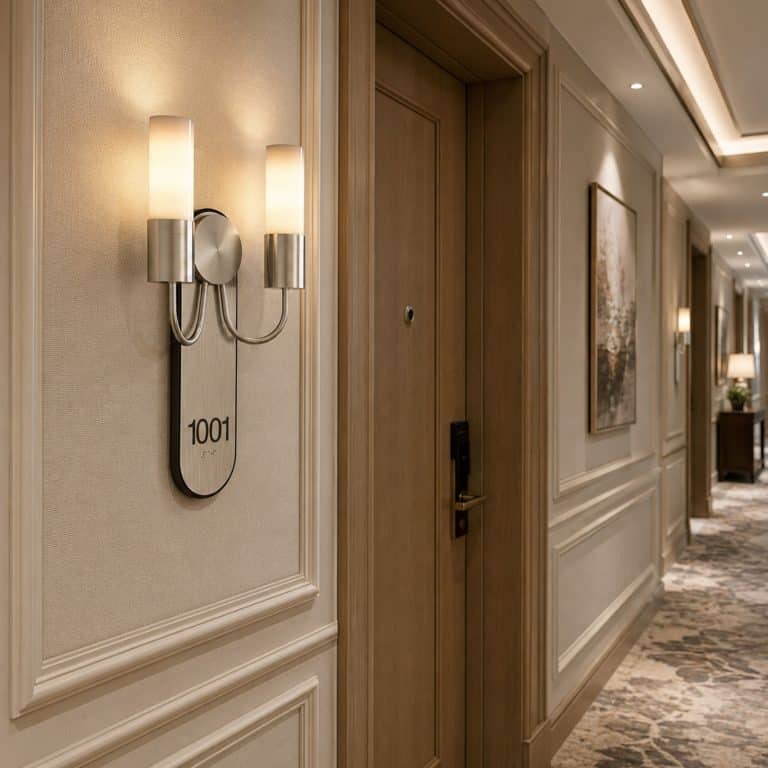
Two lamps can look identical in a showroom and perform very differently after a year in a guest room. One…
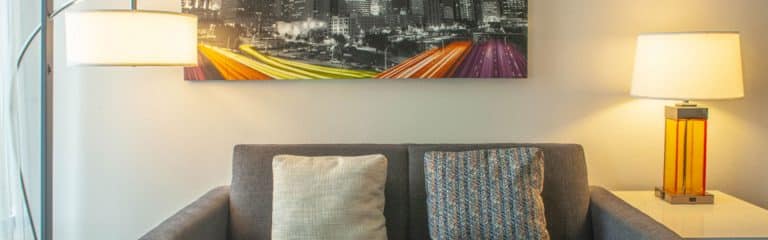
Purchasing agents and designers open most guestroom packages with one question: can one lamp carry USB-C charging and a grounded…
A qualified manufacturer can build a light fixture from your sketch or rendering. Custom light fixture fabrication is how a…
Choosing a hospitality lighting manufacturer is one of the first sourcing decisions on a hotel project. The choice shapes your…