Interior Commercial Lighting: What to Check When Comparing Hotel and Residential Lamps
Two lamps can look identical in a showroom and perform very differently after a year in a guest room. One…


Lighting plays a critical role in healthcare environments. It goes beyond mere illumination; it contributes to patient comfort, supports caregivers in performing tasks accurately, and reflects the facility’s commitment to care and operational efficiency. For designers familiar with hospitality, the parallels are clear: lighting design shapes how people feel in a space and influences how they perceive a facility’s dedication to healing. In this blog, we explore the most commonly used lighting products in healthcare settings and explain why they matter.
Hospitals and clinics are not just clinical spaces; they are places where people seek comfort and reassurance. Lighting plays a significant role in setting moods, regulating circadian rhythms, and supporting healing. Soft, diffused light can help reduce anxiety for patients, while focused task lighting allows clinicians to perform their work efficiently and safely. In reception areas and waiting rooms, warm lighting fosters a welcoming atmosphere, similar to the ambiance in hospitality venues. When lighting is thoughtfully chosen, it enhances well-being and reinforces the facility’s commitment to compassionate care.
Healthcare design strives to create environments that are both soothing and functional. High color rendering index (CRI) values ensure that medical staff can see true colors—critical for accurate diagnoses and treatments. Color temperatures typically range from 3500 to 6000 Kelvin, striking a balance between warmth and clarity. Layered lighting—combining ambient, task, and accent elements—allows spaces to serve multiple purposes throughout the day. Below, we highlight key lighting fixture types that achieve these goals while meeting strict hygiene and safety standards.
Indirect troffer lights are recessed fixtures that direct light upward, reflecting off the ceiling to create a soft, glare-free glow. These are popular in patient rooms and corridors because they minimize harsh shadows and reduce eye strain. By avoiding direct glare on patients lying down, these fixtures improve comfort during rest and medical exams. Indirect troffers use high-efficiency LEDs with high CRI to ensure accurate color rendering while promoting a calm, soothing environment.
LED strip lights are an effective retrofit solution for outdated fluorescent troffers, modernizing the lighting without requiring a full replacement. These strips offer significant energy savings—hospital areas have reported energy reductions of over 70% while maintaining or even improving brightness. Their long lifespan and low profile make them ideal for corridors, under cabinets, and nurse stations. With proper diffusion, they provide uniform light and help reduce maintenance costs over time.
Cove lighting, installed in recessed architectural features, uplifts ceilings and walls to create an airy, tranquil atmosphere. In nurse stations, cove lighting paired with under-cabinet fixtures illuminates work surfaces without casting glare. In public areas such as lounges and waiting rooms, cove lighting washes walls with soft light, enhancing the sense of openness and reducing visual stress for visitors.
In certain healthcare units—like behavioral health wards and emergency departments—fixtures must be tamper-proof and resistant to impact. Vandal-resistant luminaires feature robust housings and tamper-proof screws to prevent damage. These fixtures often have high IP ratings to protect against moisture and contaminants. Their durability enhances patient safety and minimizes maintenance disruptions.
Surgical and exam areas require precise and adjustable illumination. Fixtures in these spaces are sealed to prevent contamination and often feature separate circuits for different lighting modes—such as white light for procedures and green or blue lighting to improve visibility of medical monitors. These luminaires provide adjustable intensity and beam control, enabling medical professionals to tailor the lighting to specific tasks. The housings are designed for easy cleaning, meeting stringent sanitation standards.
In MRI suites, lighting must be free of ferrous metals to avoid interference with imaging equipment. Non-ferrous luminaires use materials like aluminum or specialized composites and often include RF filtering. These fixtures provide consistent illumination without disrupting the sensitive magnetic field, ensuring accurate diagnostics and patient safety.
UVC lighting is used for surface and air disinfection in high-risk areas, such as operating rooms. UVC fixtures deactivate pathogens on surfaces, helping to reduce the risk of hospital-acquired infections. These fixtures are typically integrated into general lighting systems, with controls that allow staff to activate the UVC mode while protecting both patients and staff from exposure.
Multi-function troffers in patient rooms often feature both ambient and exam lighting modes. Caregivers can toggle between gentle, warm ambient lighting for rest and brighter, cooler lighting for medical tasks. These fixtures are sealed to protect against dust and moisture, feature washable lenses, and may incorporate RFI filtering to prevent interference with medical equipment. By meeting both comfort and clinical needs, they reinforce a patient-centered approach.
Choosing the right color temperature is crucial for mood and functionality. Warm white (around 3500 Kelvin) is soothing for patient rooms and waiting areas, while neutral white (4000–5000 Kelvin) provides clarity for exam rooms. A high CRI (≥80) ensures accurate color perception, which is essential for tasks like identifying medications and assessing skin tones.
Healthcare spaces have varying light level requirements. Patient rooms and corridors typically benefit from moderate illumination, while surgical suites require high lumen output with focused beams. Distributing light evenly prevents shadows and glare. Indirect fixtures and diffused lenses help ensure uniform light distribution and reduce harsh contrasts.
Healthcare lighting must withstand regular cleaning and exposure to disinfectants. Fixtures with smooth surfaces and sealed enclosures are easier to sanitize. High IP ratings ensure protection from dust and moisture, while non-ferrous materials are essential for specialized environments like MRI rooms.
LED lighting significantly reduces energy consumption compared to traditional fluorescent or halogen systems. Incorporating occupancy sensors, dimming controls, and tunable white capabilities allows facilities to adjust light levels for specific tasks and save energy in unoccupied areas. These energy savings contribute to operational budgets and align with sustainability goals.
Define Space Functions: Identify the purpose of each area—patient rooms, exam rooms, surgical suites, corridors, waiting rooms—and determine the required light levels and control needs.
Prioritize Patient Comfort: Choose fixtures that minimize glare and support circadian rhythms. Consider indirect or diffused light in areas where patients spend extended periods.
Ensure Clinical Accuracy: Select high-CRI fixtures with adjustable output for exam and surgical areas. Verify that luminaires are compatible with medical equipment.
Review Durability Specifications: Look for sealed housings, easy-to-clean surfaces, non-ferrous materials, and appropriate IP ratings for each environment.
Plan for Energy and Maintenance: Evaluate LED retrofits and efficient luminaires that reduce operating costs. Incorporate lighting controls to automate dimming and occupancy sensing.
Coordinate with Design Aesthetics: Align fixture styles and finishes with the facility’s brand identity. Even in clinical spaces, cohesive design reinforces professionalism and care.
Test and Adjust: Pilot different fixtures in a model room or small area. Gather feedback from staff and patients, measure illumination levels, and adjust product specifications before rolling out across the facility.
The right lighting in healthcare facilities does more than brighten rooms—it supports healing, eases caregiver workload, and reflects a facility’s values. Popular products like indirect troffers, LED strip retrofits, cove lighting, and specialty fixtures for MRI or surgical suites blend comfort with precision, enhancing patient trust and operational success. Technical considerations such as color temperature, CRI, durability, and energy efficiency ensure these products perform reliably in demanding environments.
By viewing lighting as a strategic investment, healthcare providers can strengthen their brand identity and operational resilience. Mario Contract Lighting offers expertise in tailoring lighting solutions that meet healthcare standards while reflecting a commitment to care. Reach out to explore our Custom Capabilities or schedule a consultation. Together, we’ll design lighting that heals, informs, and inspires.
Recent News & Updates
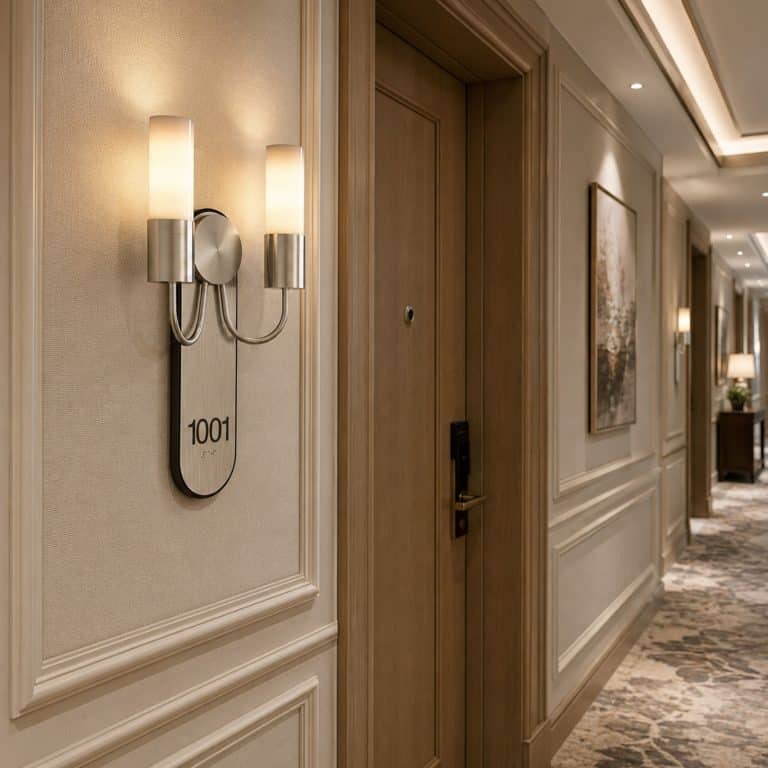
Two lamps can look identical in a showroom and perform very differently after a year in a guest room. One…
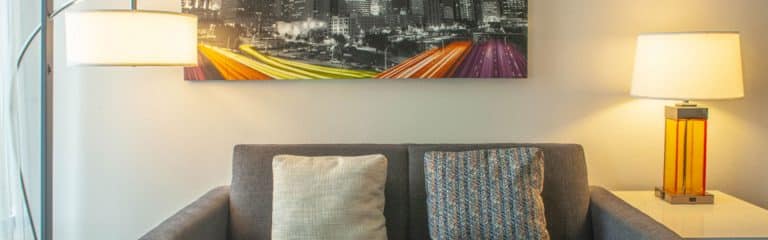
Purchasing agents and designers open most guestroom packages with one question: can one lamp carry USB-C charging and a grounded…
A qualified manufacturer can build a light fixture from your sketch or rendering. Custom light fixture fabrication is how a…
Choosing a hospitality lighting manufacturer is one of the first sourcing decisions on a hotel project. The choice shapes your…