In hospitality design, it’s not a single standout feature that defines a guest’s experience—but how each element works together to create harmony. Bedside lighting is a crucial part of that equation. It must support various guest activities—reading, working, relaxing—while contributing to a calming, cohesive room ambiance. Choosing between a table lamp and an integrated headboard sconce isn’t just a stylistic decision—it shapes how guests interact with their environment, conveys your brand values, and impacts operational efficiency. This guide explores the differences and offers a strategic framework to help you make the best choice.
Why Nightstand Lighting Matters in Hospitality
Bedside lighting is more than just decorative—it plays a key role in how guests feel and behave. Fixtures that deliver soft, focused illumination promote relaxation and make it easier to fall asleep. Warm, low-glare lighting supports circadian rhythms and helps create a soothing retreat, while harsh overhead lights can disturb a partner or cause glare on devices.
It’s also about practicality. Guests expect light switches to be within easy reach, without awkward stretching or risk of knocking things over. Intuitive controls and smart placement enhance convenience and elevate the perceived quality of the room. Table lamps, with their familiar form, offer an instantly understandable solution. Meanwhile, well-designed headboard sconces can free up surface space and improve housekeeping efficiency.
Guest Experience and Design Intent
Understanding How Guests Use the Space
Before specifying lighting, consider how guests spend time in bed. Some read or work, others watch TV or chat. Effective lighting should offer targeted illumination without lighting up the whole room. Headboard sconces with adjustable arms or directional beams let one guest read without disturbing the other. Research suggests that soft-colored LED lighting embedded in the headboard can improve low-light vision and foster a restful environment.
Aligning with the Brand Story
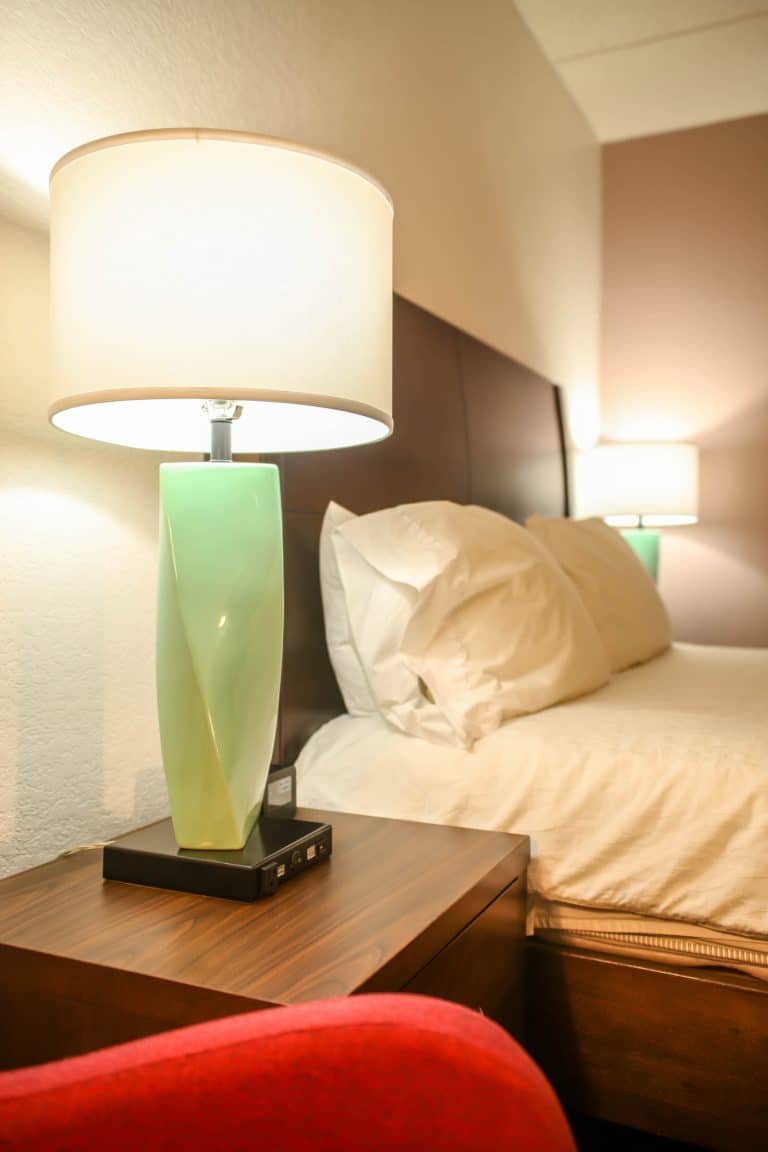
Lighting communicates your brand identity in subtle yet powerful ways. Whether your property reflects minimalist luxury, rustic charm, or metropolitan flair, bedside fixtures should echo that design language. Custom sconces can match the materials and finishes of headboards and casegoods for a seamless aesthetic. Alternatively, a carefully selected table lamp can serve as a statement piece—adding sculptural interest or a pop of color. Both options show design intent, but the right one depends on how you want guests to perceive the space.
Keeping Operations in Mind
Lighting decisions also affect day-to-day operations. Integrated sconces eliminate loose cords and lamp bases, making surfaces easier to clean and minimizing the risk of damage. Since the fixture is fixed, it stays aligned and functional longer. Modular components allow for quick servicing without room downtime. On the other hand, table lamps offer flexibility—they’re easy to update or replace—but they take up space, collect dust, and are prone to tipping or breaking during housekeeping.
Comparing Lamps and Sconces
Table Lamps: Familiarity and Flexibility
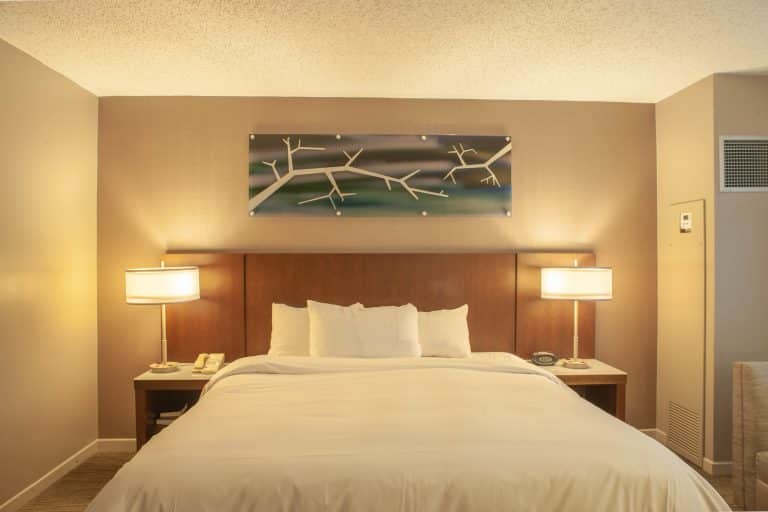
The classic bedside lamp is instantly recognizable. It provides ambient light, adds texture or color with its shade, and is easy to reposition or replace—ideal for eclectic or residential-style interiors. However, lamps consume valuable nightstand space that guests may need for essentials like phones, water, or glasses. Switches may be harder to locate, and the lamp’s exposed design means more frequent cleaning and higher risk of damage.
Headboard Sconces: Integration and Control
Headboard-mounted sconces offer a sleek, space-saving alternative. Recessed or flush-mounted designs sit neatly within the headboard, often hidden until illuminated. Modern LED reading lights are both discreet and elegant—offering focused light, enhancing aesthetics, and providing intuitive operation. They clear up nightstand space and are less prone to wear and tear.
Sconces are also energy-efficient. LED technology uses less power, emits less heat, and extends fixture lifespan, lowering utility and maintenance costs. When paired with motion sensors or dimmers, they further reduce energy waste. However, sconces require early planning—power must be routed through the headboard, and fire-resistant materials and surge protection are essential for safety.
Technical Considerations & Standards
When deciding between lamps and sconces, take into account these key technical factors:
- Energy Efficiency: LEDs consume less power and generate less heat than incandescent bulbs, making them a more sustainable and comfortable choice.
- Durability: Fixtures must withstand frequent use and cleaning. Integrated designs are typically more robust, while table lamps are more exposed.
- Safety: Fixtures with built-in power or data lines should include fire-resistant materials, proper grounding, and surge protection.
- Maintenance: Modular designs enable staff to replace LED drivers or other components without impacting room availability.
- Ergonomics and Performance: Position lighting so it suits the bed and headboard dimensions. A beam of 150–200 lumens is ideal for reading, and should not cause glare for others.
A Playbook for Selecting Nightstand Lighting
- Define the Guest Scenario: Understand your target guests. Are they business travelers working late, leisure guests reading before bed, or families with children? Tailor lighting to fit their routines.
- Map the Headboard: Measure dimensions and assess wiring feasibility. Choose between surface-mounted and recessed sconces based on the structure.
- Choose the Light Source: Select LED modules with the right color temperature (2,700–3,000K) and beam angle. Narrow beams suit task lighting, while diffused lighting creates ambiance.
- Plan for Controls: Decide on individual switches or dimmers for each side of the bed. Place controls within reach, and consider built-in USB ports and outlets to streamline functionality.
- Coordinate Materials: Align fixture finishes with furniture and hardware for a cohesive look. Account for longer lead times with custom finishes.
- Verify Codes and Standards: Ensure compliance with local electrical and hospitality safety codes. Partner with manufacturers experienced in meeting these standards.
- Prototype and Test: Install a model in a mock-up room. Test lighting usability, evaluate staff interaction, and refine based on real feedback.
Conclusion: Lighting for Comfort, Identity, and Operational Ease
Whether you choose a table lamp or a headboard sconce, the goal remains the same: to provide guests with intuitive, comfortable lighting that enhances their stay and reflects your brand identity. Lamps offer familiarity and flexibility but demand more maintenance and surface space. Sconces, when thoughtfully specified, bring streamlined function, reduce clutter, and support energy and operational efficiencies.
At Mario Contract Lighting, we create custom lighting solutions that strike the perfect balance between guest comfort, operational ease, and brand storytelling. Whether you envision tailored sconces or bold table lamps, our team is here to help. Explore our Custom Capabilities or book a consultation to bring your next lighting concept to life with confidence.