Interior Commercial Lighting: What to Check When Comparing Hotel and Residential Lamps
Two lamps can look identical in a showroom and perform very differently after a year in a guest room. One…


In hospitality, guest comfort often takes center stage, but seamless behind-the-scenes operations are just as critical. Consider hotel laundries, central kitchens, or on-site manufacturing spaces that produce furnishings or signage. These factory environments operate long hours under demanding conditions, and their lighting must keep up. Durable commercial lighting isn’t a luxury—it’s essential for safety, efficiency, and brand reliability. When fixtures endure dust, moisture, and vibration without frequent replacement, staff can work confidently, operations flow smoothly, and guests benefit from timely service.
Industrial areas within hospitality properties experience heavy traffic, high ceilings, and often harsh conditions. Equipment generates heat, dust, and sometimes moisture. Poorly chosen fixtures—those that overheat, corrode, or fail to provide adequate illumination—can lead to accidents, reduced productivity, or costly downtime. On the other hand, durable lighting supports staff performance, protects company investments, and ensures smooth operations. Long-lasting fixtures reduce maintenance intervals and free up resources for guest-facing improvements. They also reflect a brand that values both its employees and its operational efficiency.
Although guests may never visit a hotel laundry or distribution center, the employees working there are integral to the overall guest experience. Comfortable, well-lit environments help workers see clearly, reduce fatigue, and perform tasks efficiently. When operations staff aren’t grappling with flickering bulbs or poorly lit corners, they can focus on delivering exceptional service. Durable lighting conveys this attention to detail, ensuring that the same care given to guest rooms extends to the people who make those rooms possible.
Factories and warehouses typically feature ceilings between 15 and 40 feet high, requiring high lumen output to effectively illuminate work surfaces. Quality high bay fixtures deliver between 15,000 and 40,000 lumens, with efficacies ranging from 130 to 160 lumens per watt. This combination ensures bright, uniform lighting while minimizing energy consumption. Additionally, long-lasting LEDs run cooler than older technologies, reducing heat build-up and easing the load on HVAC systems.
Dust, moisture, and airborne contaminants are common in industrial environments. Durable fixtures are built with sealed housings and industrial-grade materials to protect internal components. Look for fixtures with an ingress protection (IP) rating of 65 or higher, ensuring they are dustproof and water-resistant. Reinforced heat sinks and shock-resistant lenses also prevent damage from vibration or accidental impact, extending fixture life and reducing maintenance.
LED high bay lights often last 50,000 hours or more, meaning they can operate for years before needing replacement. Proper thermal management through heat sinks and high-quality drivers keeps temperatures low, preserving LED performance and color quality. Since industrial fixtures are often mounted at great heights, longer lifespans reduce the need for lifts or scaffolding, which helps lower labor costs for maintenance.
For industrial tasks, precise visibility is crucial. Cool white color temperatures (between 5,000 and 6,500 Kelvin) promote alertness and accurate color recognition. A high color rendering index (CRI) of 80+ ensures that materials, colors, and details are easily distinguishable. Consistent, flicker-free light also reduces eye strain, allowing workers to stay focused on their tasks for longer periods without discomfort.
Motion sensors, daylight sensors, and programmable dimmers reduce energy consumption by automatically adjusting light levels when areas are unoccupied or when natural light is sufficient. These controls not only cut electricity costs but also extend the lifespan of luminaires by minimizing runtime. Integrating intelligent controls into industrial fixtures helps meet sustainability goals and aligns with hospitality brands’ environmental commitments.
Evaluate the size of the space, ceiling height, ambient temperature, and exposure to dust or moisture. Identify areas with heavy machinery, vehicle traffic, or vibration. These factors will dictate necessary lumen levels, fixture types, and required IP ratings.
Select color temperatures and CRI values that promote alertness and task performance. Ensure even light distribution to avoid shadows, and consider glare control for reflective surfaces. A comfortable, well-lit workspace enhances productivity and reduces fatigue.
For high ceilings, choose round or linear high bay fixtures. Round versions offer easy installation and wide beam spreads, while linear high bays are ideal for aisles or narrow work areas. For lower ceilings or targeted areas, consider vapor-tight fixtures or sealed troffers.
Opt for fixtures with high IP ratings (IP65+ or higher) and industrial-grade housings. Look for fixtures with thermal management features, and select those rated for long lifespans (L70 at 50,000 hours or more). Ensure that the drivers and LEDs are high-quality components designed for continuous operation.
Consider adding motion and daylight sensors where appropriate to optimize energy use. Ensure these controls are compatible with your facility management systems and can be scaled for future automation or smart building systems.
Evaluate mounting options and confirm that your existing electrical infrastructure supports the new fixtures. Choose lighting solutions that are easy to install, maintain, and service, with safe access points for servicing.
Before final installation, test a sample installation in a section of the factory. Verify light levels, color quality, and control responsiveness. Gather feedback from staff, make necessary adjustments, and then roll out the final solution across the space.
Durable lighting may not be the most glamorous aspect of a hospitality business, but it’s an essential part of the operational backbone. In factories, laundries, and warehouses, robust fixtures ensure smooth and safe operations. Bright, consistent lighting supports staff performance and reduces the risk of accidents. Well-sealed fixtures with high-quality components lower maintenance costs and minimize downtime. Smart controls help achieve sustainability goals while reducing energy consumption.
When industrial areas run smoothly, the impact is felt throughout the property—rooms are cleaned on schedule, amenities are stocked efficiently, and guests experience the benefits of a reliable operation.
As you consider lighting for your industrial spaces, remember that resilience and design integrity are key. At Mario Contract Lighting, we understand the unique demands of hospitality operations beyond the guest-facing areas. Our custom capabilities allow us to specify and create durable fixtures that stand up to the challenges of factory environments while reflecting your brand’s standards. Contact us today to explore tailored industrial lighting solutions or schedule a consultation. Together, we’ll illuminate the unseen spaces that keep your hospitality business running smoothly.
Recent News & Updates
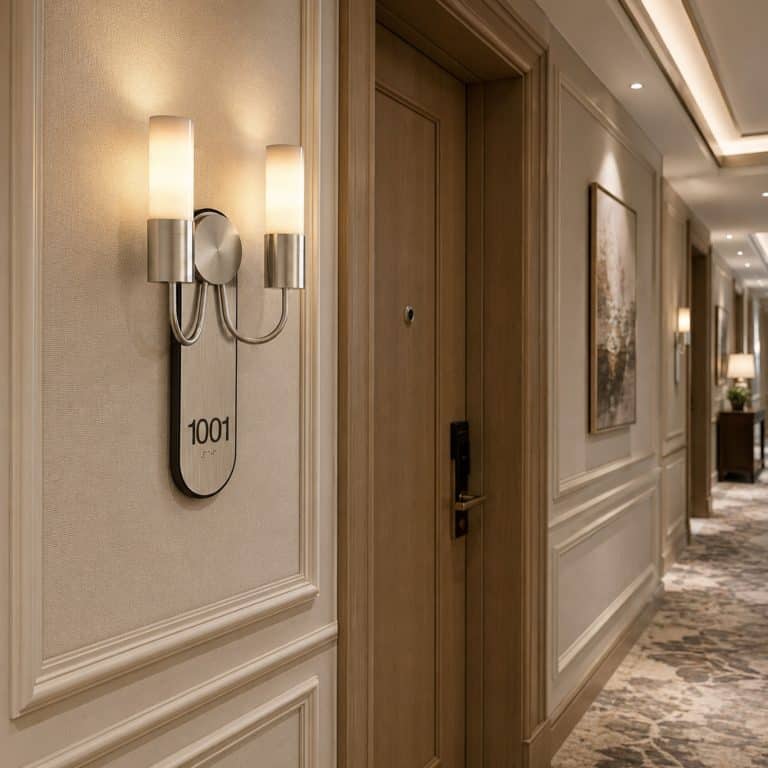
Two lamps can look identical in a showroom and perform very differently after a year in a guest room. One…
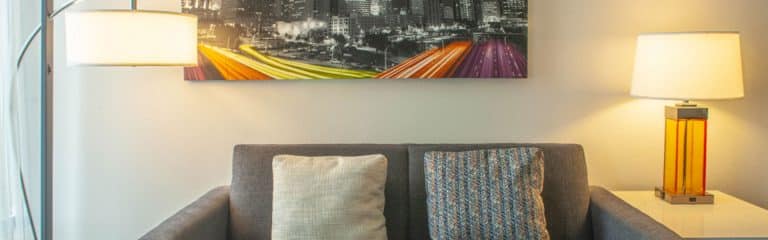
Purchasing agents and designers open most guestroom packages with one question: can one lamp carry USB-C charging and a grounded…
A qualified manufacturer can build a light fixture from your sketch or rendering. Custom light fixture fabrication is how a…
Choosing a hospitality lighting manufacturer is one of the first sourcing decisions on a hotel project. The choice shapes your…