Interior Commercial Lighting: What to Check When Comparing Hotel and Residential Lamps
Two lamps can look identical in a showroom and perform very differently after a year in a guest room. One…


In a retail environment, lighting plays an active role in shaping how customers perceive your products and engage with your brand. Poorly chosen fixtures can flatten merchandise, create glare, or disrupt the store’s narrative. On the other hand, a thoughtfully designed lighting scheme guides customers through the space, highlights products at their best, and supports smooth operational flow. This guide takes you through the process of selecting commercial lighting for retail spaces, focusing on enhancing customer experience and aligning with your brand storytelling.
In retail spaces influenced by hospitality design, the goal is to make each shopper feel welcome, inspired, and at ease. Lighting cues are integral to guiding this journey. The ambient light sets the mood, accent lighting draws attention to key products, and task lighting facilitates hands-on activities, such as trying on jewelry or reading labels. When these lighting layers work together, customers naturally move through the store, transitioning from the entrance to displays to checkout, with subtle changes in brightness and color guiding their path.
Industry design guidelines emphasize that effective retail lighting uses multiple layers—ambient, accent, task, and decorative lighting—to highlight merchandise while creating a comfortable shopping environment.
Before selecting fixtures, define your store’s narrative: Is it a luxury boutique, a tech flagship, or a lifestyle shop in a hotel? A clear design direction informs every choice, from light quality to fixture finishes.
Lighting should complement the color and texture of your products while reinforcing your brand’s mood through careful choices of brightness, contrast, and placement.
Ambient or general lighting sets the overall tone for the space. Recessed ceiling fixtures, linear LED panels, or pendant lights offer even illumination without competing for attention. Choose a color temperature that aligns with your brand’s identity and a high color rendering index (CRI) to ensure products look true to life. The goal is uniform light without harsh glare, providing a calm and inviting atmosphere for customers.
Accent lighting directs attention to featured products, architectural details, or brand elements. Adjustable track lights, spotlights, or wall-mounted fixtures allow flexibility, enabling you to change the focus for seasonal displays or promotions. A well-balanced combination of ambient and accent lighting avoids over-illumination and distracting contrasts. When designing accent lighting, consider beam angles and fixture placement to illuminate products effectively without creating harsh shadows.
Task lighting provides the necessary light for specific activities—such as fitting rooms, checkouts, or customization stations. Here, the goal is to ensure bright, glare-free illumination that enhances visibility and comfort. For example, discreet downlights in fitting rooms help customers assess fabric colors, while integrated LED strips in display cases highlight jewelry or skincare products. Ensure that lighting controls are intuitive for staff to adjust when needed.
Retail spaces come in various sizes, from narrow boutiques to expansive hotel shops. Choose fixtures that are proportionate to the ceiling heights and floor plans. Large pendants can anchor wide, open areas, while low-profile fixtures work better in spaces with lower ceilings or tighter aisles. Confirm that fixture sizes, mounting methods, and electrical load meet building codes, and ensure compatibility with existing wiring and control systems to simplify installation and minimize disruption.
Durability is key in high-traffic retail environments. Choose fixtures made from robust materials that can withstand daily use and frequent cleaning. LEDs offer longer lifespans and reduced energy consumption compared to incandescent or halogen bulbs. Look for fixtures with certifications like Energy Star or DesignLights Consortium to validate their quality and efficiency. Additionally, consider integrating smart controls—such as dimmers, daylight sensors, or occupancy sensors—that adjust light levels as needed to optimize energy use and enhance sustainability.
A high color rendering index (CRI 80+ or higher) is essential to ensure that merchandise, especially in fashion or food retail, looks vivid and true to life. Avoid flicker and harsh glare by selecting fixtures with high-frequency drivers and diffusers that soften the light output. Balance brightness levels to allow customers to transition comfortably from bright displays to dimmer pathways without eye strain. Adjust the mix of warm and cool temperatures to complement your product palettes—warm light enhances wood and textiles, while neutral or cool light highlights sleek lines and modern finishes.
The right commercial lighting can transform retail spaces from mere shopping environments into immersive experiences. By focusing on customer experience—how shoppers navigate, feel, and engage in your store—and layering ambient, accent, and task lighting to enhance that journey, you create a space that invites discovery and reinforces your brand’s identity.
Technical considerations like CRI, color temperature, and energy efficiency ensure that your choices are not only visually appealing but also perform reliably and sustainably. A cohesive lighting strategy not only elevates comfort and showcases products authentically but also streamlines operations, making daily tasks easier for staff while saving energy over time.
When you’re ready to elevate your retail space, Mario Contract Lighting can partner with you to design custom fixtures and lighting packages that reflect your brand and operate seamlessly. Contact our team to explore our Custom Capabilities or schedule a consultation—we’ll help you bring your vision to light.
Recent News & Updates
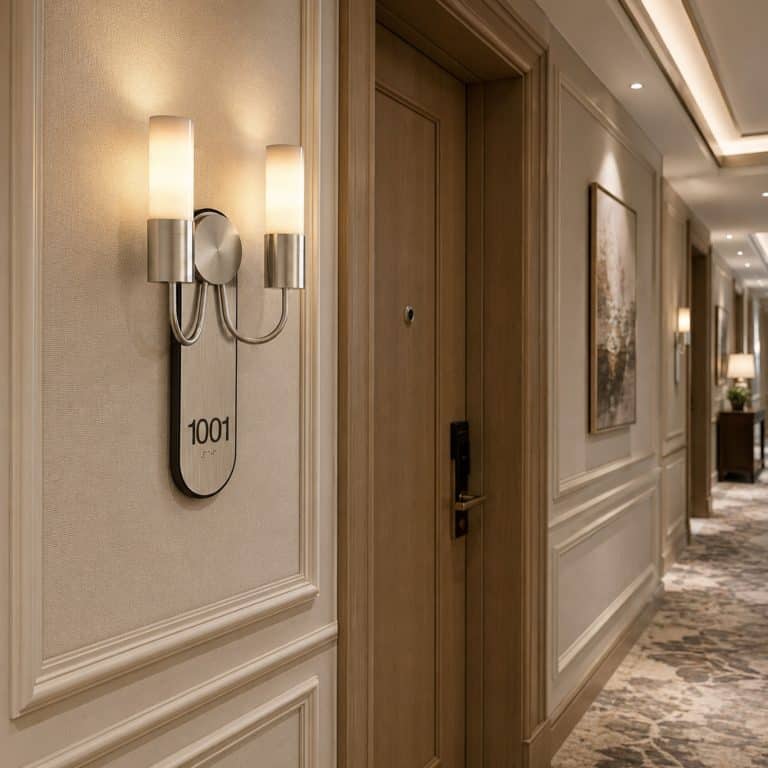
Two lamps can look identical in a showroom and perform very differently after a year in a guest room. One…
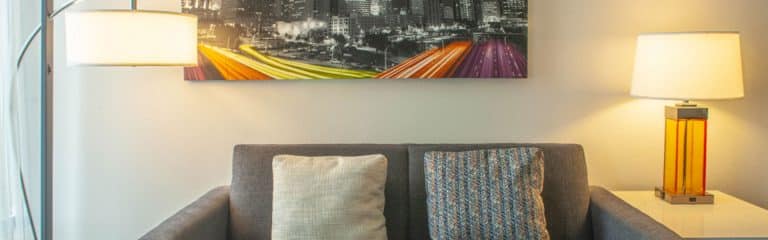
Purchasing agents and designers open most guestroom packages with one question: can one lamp carry USB-C charging and a grounded…
A qualified manufacturer can build a light fixture from your sketch or rendering. Custom light fixture fabrication is how a…
Choosing a hospitality lighting manufacturer is one of the first sourcing decisions on a hotel project. The choice shapes your…