Interior Commercial Lighting: What to Check When Comparing Hotel and Residential Lamps
Two lamps can look identical in a showroom and perform very differently after a year in a guest room. One…


Hotel lighting is a foundational element of hospitality design. It shapes first impressions, supports daily operations, and influences how guests experience a property from arrival through departure. For designers, purchasing teams, and project managers, hotel lighting must do more than look good—it must perform consistently, meet code requirements, and withstand high traffic.
A successful hotel lighting strategy considers how each space functions, how guests move through the building, and how lighting supports comfort, clarity, and brand consistency across rooms and locations.
Lobbies and Public Areas
Lobby lighting sets the tone for the entire property. Decorative ceiling fixtures, such as chandeliers or pendants, often serve as focal points, while ambient lighting supports circulation and seating areas. Accent lighting is commonly used to highlight architectural details, artwork, or reception desks. Because these areas operate for long hours and experience heavy foot traffic, fixtures must be specified for durability, serviceability, and consistent light output.
Guest Rooms
Guestroom lighting must support multiple activities within a limited footprint. Sleeping, reading, working, and relaxing all require different light levels and control strategies. Rather than relying on a single overhead fixture, effective guestroom lighting combines ceiling fixtures, lamps, and wall-mounted lighting to give guests intuitive control over their environment. Glare control and thoughtful placement are critical to comfort.
Corridors and Transitional Spaces
Corridors are functional spaces, but they play an important role in guest navigation and safety. Lighting must be uniform, glare-controlled, and compliant with applicable codes. Wall sconces and low-profile ceiling fixtures are commonly specified to maintain clear circulation paths while reinforcing the hotel’s design language from floor to floor.
Restaurants, Bars, and Lounges
Food and beverage spaces require lighting that adapts throughout the day. Morning service, evening dining, and late-night lounge use often demand different atmospheres. Dimmable fixtures, decorative pendants, and layered accent lighting allow operators to adjust mood without compromising functional light levels for staff.
Exterior and Entry Areas
Exterior lighting supports visibility, safety, and wayfinding while contributing to curb appeal. Fixtures must be selected to withstand weather exposure and to align with the property’s architectural style. Entry lighting should clearly guide guests while creating a welcoming transition from outside to inside.
Layered lighting is a core principle in hospitality design. By combining ambient, task, and accent lighting, designers can create flexible environments that respond to different uses and times of day.
Ambient lighting provides overall illumination and establishes base light levels. Task lighting supports specific activities such as reading, working, or grooming. Accent lighting adds visual interest and helps define focal points within a space. Together, these layers create depth and functionality while reducing reliance on any single fixture type.
When specifying hotel lighting fixtures, several technical factors should be addressed early in the design process.
Color temperature plays a significant role in how a space feels and functions. Warmer temperatures are often preferred in guest rooms and lounges, while cooler temperatures may be appropriate in corridors or back-of-house areas.
Dimming compatibility is another critical consideration. Properly specified dimming allows hotels to adjust light levels for mood, energy efficiency, and operational needs without compromising performance.
Glare control is essential for guest comfort, particularly in guest rooms and corridors. Fixture selection, shade design, and mounting height all influence how light is perceived.
Energy efficiency and code compliance must also be considered, including local energy codes and brand standards. Addressing these requirements during specification helps avoid costly changes later in the project.
Hotel lighting is not a one-size-fits-all application. Working with a hospitality lighting manufacturer allows project teams to specify fixtures designed specifically for hotel environments, with flexibility to adjust finishes, dimensions, shade details, and electrical configurations as needed.
Early collaboration helps align design intent with manufacturability, budget, and lead-time expectations. It also supports consistency across guestrooms and public spaces, particularly in multi-property or brand-program projects.
Planning lighting early in the design process can simplify specification, reduce coordination challenges, and improve long-term performance. Engaging the right manufacturing partner helps ensure hotel lighting fixtures meet both aesthetic and operational requirements from the start.
Evaluate specification-ready Hotel Lighting within a broader hospitality lighting and hotel lighting framework. Solutions are developed to support brand consistency, durability, and project-specific requirements across commercial environments.
Recent News & Updates
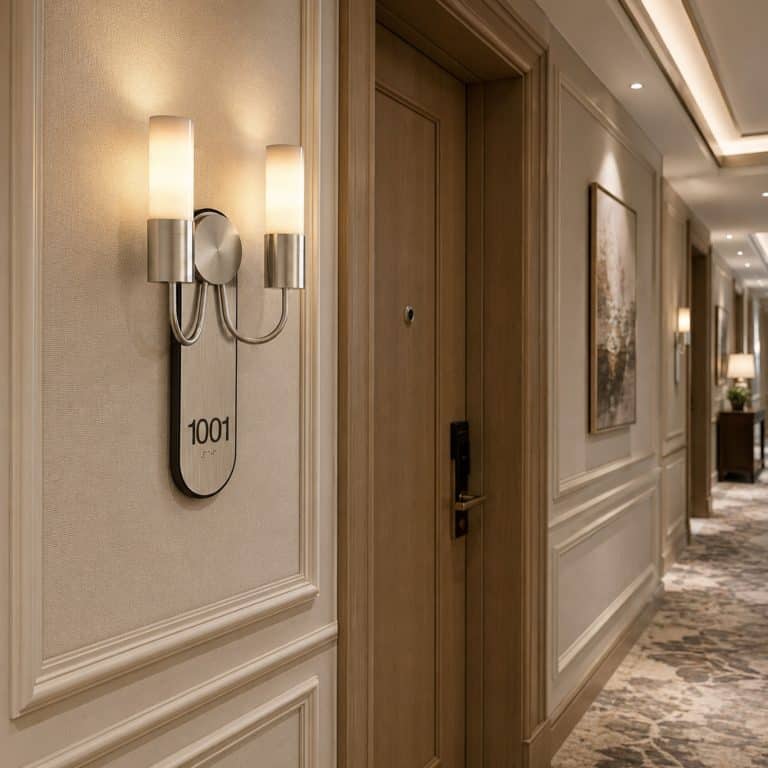
Two lamps can look identical in a showroom and perform very differently after a year in a guest room. One…
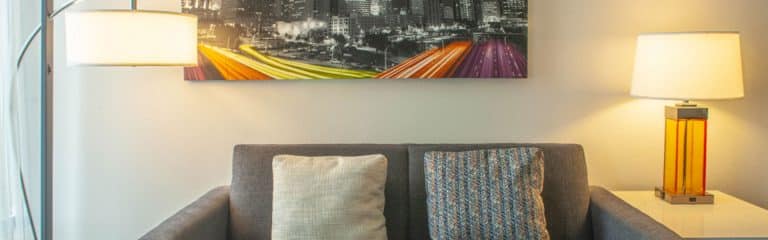
Purchasing agents and designers open most guestroom packages with one question: can one lamp carry USB-C charging and a grounded…
A qualified manufacturer can build a light fixture from your sketch or rendering. Custom light fixture fabrication is how a…
Choosing a hospitality lighting manufacturer is one of the first sourcing decisions on a hotel project. The choice shapes your…