Interior Commercial Lighting: What to Check When Comparing Hotel and Residential Lamps
Two lamps can look identical in a showroom and perform very differently after a year in a guest room. One…


Hotel chandeliers often serve as focal points in lobbies, restaurants, lounges, ballrooms, pre-function spaces, and other public areas. They can define a space, reinforce brand standards, and create a memorable point of arrival.
In hospitality design, however, chandeliers are not selected only for appearance. They must be evaluated for scale, ceiling height, sightlines, installation conditions, maintenance access, and long-term durability.
A successful chandelier supports the room’s design intent while remaining manufacturable, serviceable, and appropriate for the property’s operational needs.
Scale is one of the most important considerations when specifying hotel chandeliers. A fixture that is too small can feel disconnected from the room. A fixture that is too large can overwhelm the architecture, interfere with views, or create installation challenges.
Designers and project teams should evaluate:
Scale should be reviewed in plan, elevation, and perspective. A chandelier may look appropriate in one view but create practical issues when evaluated against guest movement, seating, doors, or architectural details.
Placement determines how a chandelier functions within the space. In a lobby, a chandelier may anchor the reception area or central seating group. In a restaurant, it may define dining zones. In a ballroom or meeting area, it may need to work with flexible layouts and event requirements.
The fixture should support how the space is actually used. It should not obstruct operations, block sightlines, or make maintenance unnecessarily difficult.
Good placement also considers how guests approach and move through the area. A chandelier should contribute to the guest experience while maintaining clear circulation and practical performance.
Hotel chandeliers are often part of a broader custom hotel lighting design package. The fixture may need to coordinate with wall sconces, table lamps, floor lamps, pendants, flush mounts, semi flush mounts, and signage throughout the property.
Customization can help the chandelier align with a brand standard or interior design direction. Depending on the project, this may include:
The goal is not complexity for its own sake. The goal is a chandelier that supports the space, reflects the project requirements, and can be manufactured consistently.
Hotel chandeliers are often installed in prominent, high-traffic spaces. That makes maintenance planning important from the beginning.
Project teams should ask:
These questions affect both ownership experience and property operations. A chandelier should not create unnecessary maintenance friction after installation.
Large fixtures may involve metalwork, shades, acrylic diffusers, decorative elements, specialty finishes, and custom hardware. Because of their size and visibility, hotel chandeliers should be reviewed with the manufacturer early.
Mario Contract Lighting can manufacture large-scale fixtures up to 72 inches in diameter, depending on project requirements and production method. Domestic and global production options may be evaluated based on timing, quantity, material selection, cost targets, and the degree of customization required.
A chandelier rarely stands alone. It should coordinate with the broader lighting plan across guest rooms, corridors, public areas, restaurants, lounges, and meeting spaces.
When chandeliers are planned as part of a complete hospitality lighting package, the project team can better maintain finish consistency, design alignment, and procurement clarity.
This is especially important for multi-location hospitality programs, renovations, and properties with repeated public-area standards.
Evaluate specification-ready hotel chandeliers within a broader hospitality lighting and hotel lighting framework. Solutions are developed to support brand consistency, durability, and project-specific requirements across commercial environments.
Recent News & Updates
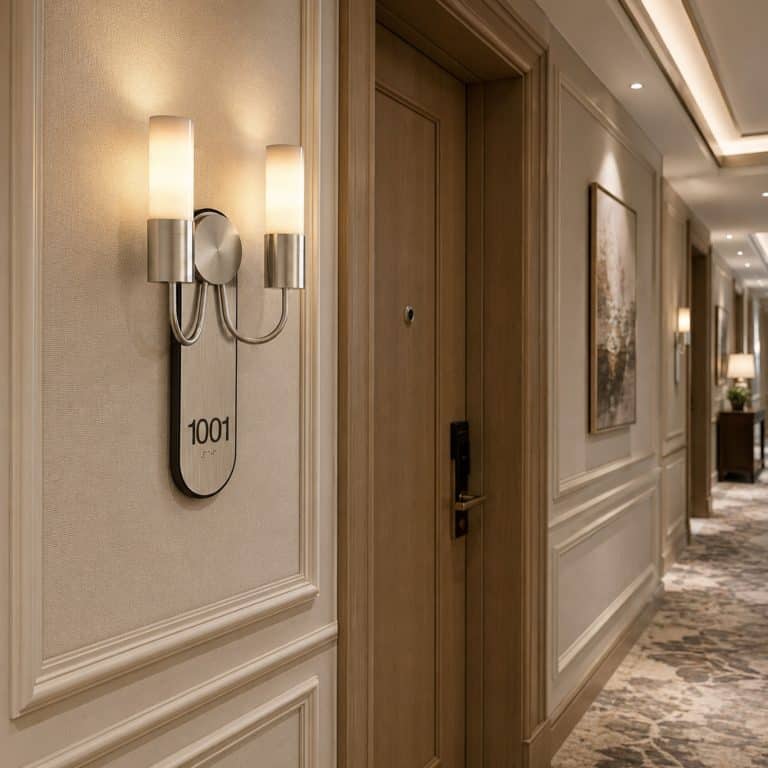
Two lamps can look identical in a showroom and perform very differently after a year in a guest room. One…
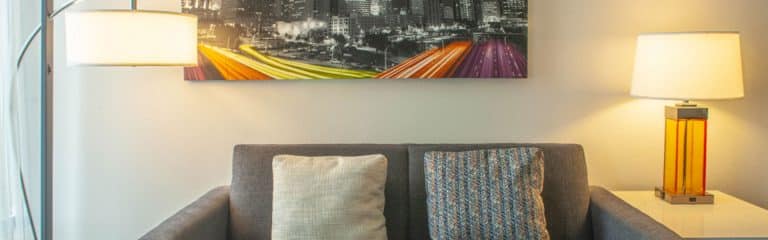
Purchasing agents and designers open most guestroom packages with one question: can one lamp carry USB-C charging and a grounded…
A qualified manufacturer can build a light fixture from your sketch or rendering. Custom light fixture fabrication is how a…
Choosing a hospitality lighting manufacturer is one of the first sourcing decisions on a hotel project. The choice shapes your…