Every property tells a story the moment guests step inside. This story reads through color, texture, pace, and lighting. The goal here is feeling first, function close behind, and a calm rhythm from entry to sleep.
Reception Glow
Arrival should feel simple and human. Lighting at reception sets the handshake for the entire stay. A soft crown above the desk, a gentle wash across stone or wood, and faces that look natural in photos will say you are welcome here. Keep the backdrop quiet so the desk and team carry the focus. Even a small accent on the brand mark can create confidence without shouting.
- Pair a welcoming overhead glow with a subtle accent on the front panel.
- Add one memorable silhouette that guests recognize from the door.
Lounge Comfort
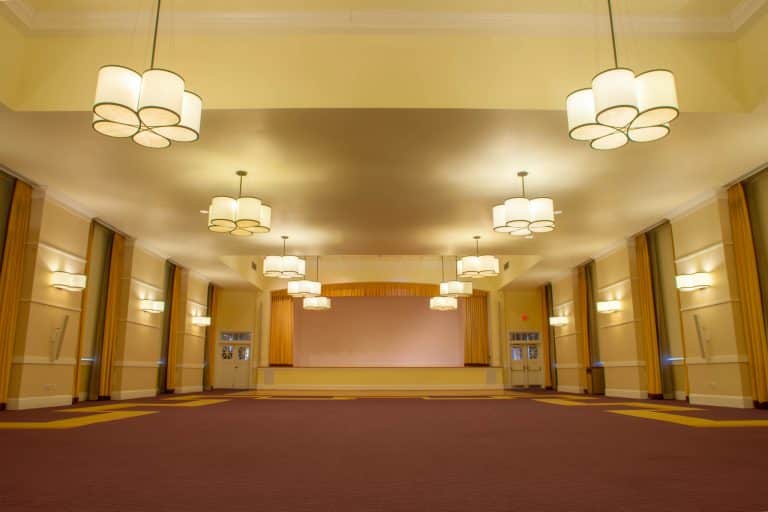
This is where people pause, wait, or linger. Lounge lighting should be warm enough for conversation and bright enough to read a menu. Think layers that pool softly around seating, a calm perimeter that holds the room together, and a little sparkle near the bar for energy. The space should photograph beautifully from any chair.
Short stays turn into long ones when seating feels flattering and time slides by without strain. The lighting does that job without asking for attention.
Corridor Rhythm
Corridors guide the journey, so rhythm matters. Gentle pools along the path, brighter notes at turns, and clear cues at each door help guests move without thinking. This is the perfect place to treat signage as design, not afterthought.
Use custom wayfinding signs that borrow finishes from the interior palette. Choose illuminated room signs where night visibility or drama suits the concept. Select non-illuminated room signs in daylit stretches or boutique floors that call for a calmer wall. Exterior entries and approach routes work well with lighted signs for hotels that match the interior language.
- Link this section to: [Illuminated Room Signs], [Non-Illuminated Room Signs].
Vanity Confidence
Good grooming lighting reads as confidence. Guests want to see true color, soft edges, and even illumination without harsh shadows. A clear vertical wash at the mirror does most of the work. If the palette leans rich and tactile, let the lighting breathe along stone, tile, or textured wallcovering so materials feel alive rather than flat.
Offer a small moment of delight, too. A discrete glow at a shelf, a quiet accent on a framed mirror, or a gentle toe-kick for early flights sets the morning in motion without stress.
- Link this section to: [Vanity Sconces].
Bedside Calm
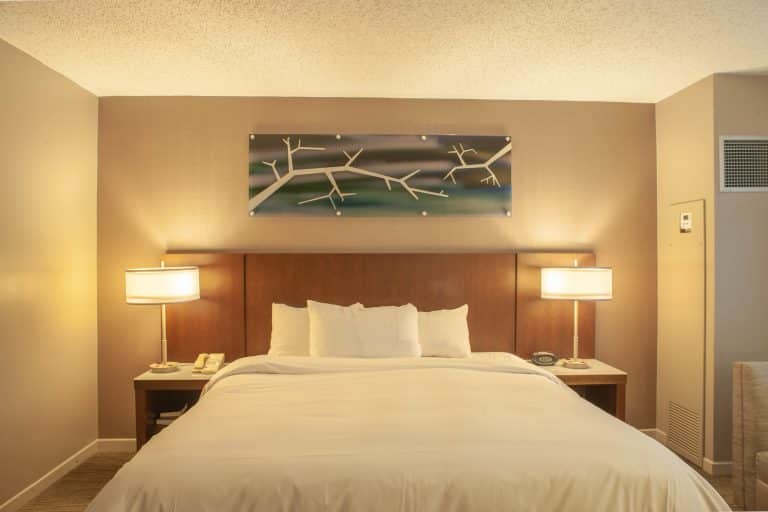
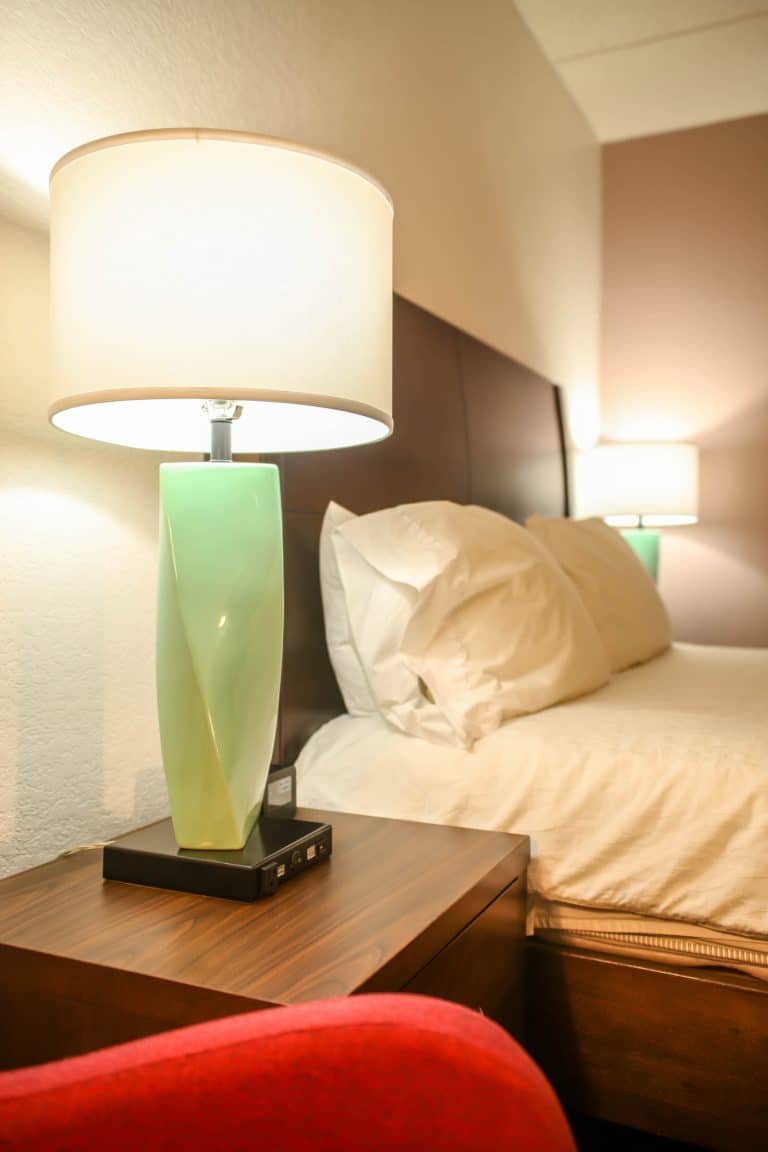
The day ends here. Bedside lighting should shift easily from reading to rest, then down to a night cue that does not wake a companion. Shade geometry matters, switch placement matters, and a soft landing when lighting fades to black matters. If the headboard carries pattern or millwork detail, let a small accent bring out depth while the main sources stay kind to the eyes.
Short, simple controls keep this moment quiet. Guests should find what they need by feel, then forget about the controls entirely.
- Link this section to: [Night Lights].
Gallery Notes
Build a lightweight gallery that follows one traveler through these five scenes. Show arrival, a quick text at reception, a laugh in the lounge, the easy turn at a signed doorway, a confident glance in the mirror, and the bedside wind-down. Use close-ups of finishes with lighting in frame so designers see how materials and glow meet.
Why This Journey Works
It is emotional first, which is how people remember places. It is visual enough to sell a concept deck, yet grounded in choices a property can own long after opening. By treating signage, public areas, and guest rooms as one story, the experience feels curated rather than assembled.