Interior Commercial Lighting: What to Check When Comparing Hotel and Residential Lamps
Two lamps can look identical in a showroom and perform very differently after a year in a guest room. One…


Hotel ceiling fixtures play a practical role in how guests move through a property. They support visibility, reinforce brand consistency, and help complete the lighting plan across guest rooms, corridors, and shared hospitality spaces.
For designers, purchasing agents, contractors, and project managers, ceiling fixtures are not selected by appearance alone. The right fixture has to work with ceiling height, guest circulation, maintenance access, repeated installation, and the broader lighting package.
A guest room may need quiet, functional overhead lighting. A corridor may need consistent illumination across long runs. A lobby or transitional space may call for more visual presence. Each application requires a different level of scale, output, durability, and coordination.
In guest rooms, ceiling fixtures are often used in specific zones rather than as the only light source. They may be placed near the entry, closet, vestibule, bathroom transition, or seating area. In suites, ceiling fixtures may also help define separate functional areas.
The goal is to support comfort and usability without overlighting the room. Ceiling fixtures should work with table lamps, wall lamps, headboard lighting, and any decorative or task lighting already specified
Important guest room considerations include:
A fixture that looks appropriate in one model room also needs to remain practical when used across dozens or hundreds of rooms.
Corridors place different demands on ceiling fixtures. The lighting must support clear navigation, consistent visibility, and a comfortable transition between public areas and guest rooms.
Because corridor fixtures are repeated across long runs, specification details become more important. Small inconsistencies in spacing, finish, brightness, or fixture scale can become noticeable when repeated throughout a property.
For corridors, project teams should evaluate:
Corridor lighting should help guests move through the property with confidence while supporting the design language established in guest rooms and public areas.
Two common ceiling fixture solutions for hospitality interiors are flush mount ceiling lights and semi flush mount lighting.
Flush mount ceiling lights sit close to the ceiling plane. They are often useful where clearance is limited or where the fixture should remain visually restrained. Guest room entries, compact corridors, closets, and utility-adjacent areas often benefit from this type of fixture.
Semi flush mount lighting extends slightly below the ceiling. It can provide more visual presence while still remaining practical for many hospitality applications. Semi flush fixtures may be appropriate for suites, elevator lobbies, upgraded corridors, and transitional public spaces.
The decision should be based on ceiling height, room function, sightlines, maintenance needs, and the overall lighting package.
Ceiling fixtures should be reviewed early in the specification process because small changes can affect cost, production, and installation coordination.
Project teams should confirm:
Early review also helps determine whether a standard fixture, modified fixture, or custom hospitality lighting solution is the best fit.
Customization may include finish changes, size adjustments, material substitutions, shade modifications, hardware variations, or electrical specification adjustments within standards. These options are most effective when discussed early, before pricing and production planning are finalized.
Mario Contract Lighting supports ceiling fixture projects through domestic manufacturing capabilities in Roanoke, Virginia, and select long-term global production partners when appropriate. Production approach depends on the product type, material selection, lead time considerations, project requirements, and cost targets.
Evaluate specification-ready hotel chandeliers within a broader hospitality lighting and hotel lighting framework. Solutions are developed to support brand consistency, durability, and project-specific requirements across commercial environments.
Recent News & Updates
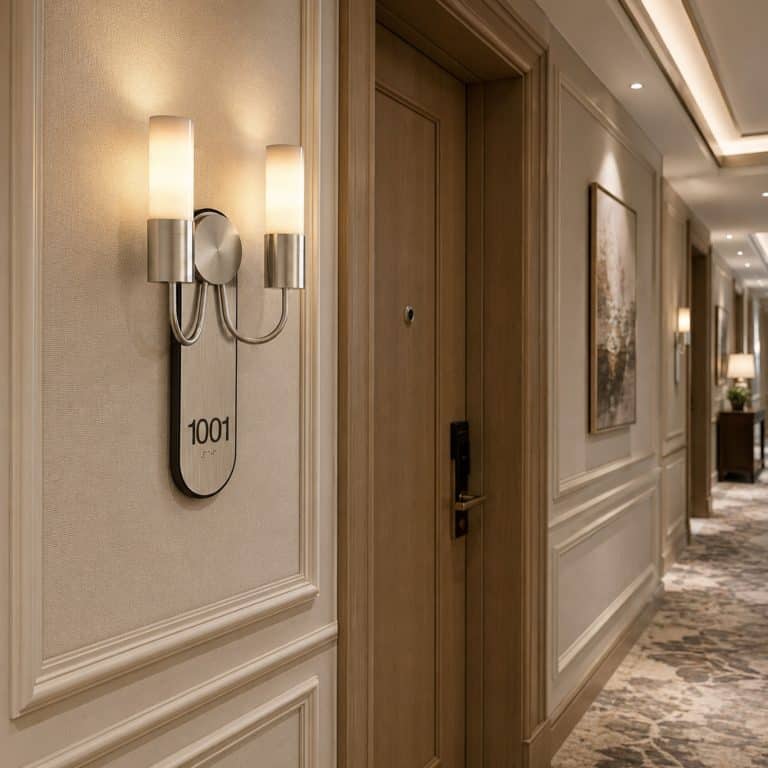
Two lamps can look identical in a showroom and perform very differently after a year in a guest room. One…
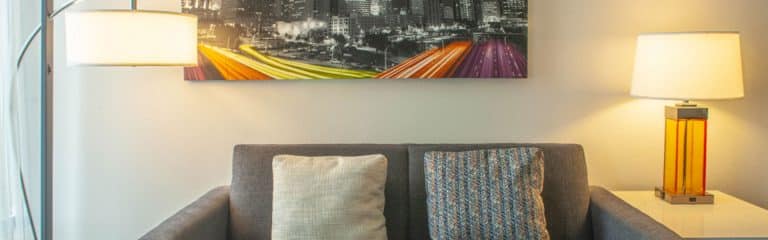
Purchasing agents and designers open most guestroom packages with one question: can one lamp carry USB-C charging and a grounded…
A qualified manufacturer can build a light fixture from your sketch or rendering. Custom light fixture fabrication is how a…
Choosing a hospitality lighting manufacturer is one of the first sourcing decisions on a hotel project. The choice shapes your…